



Highlights
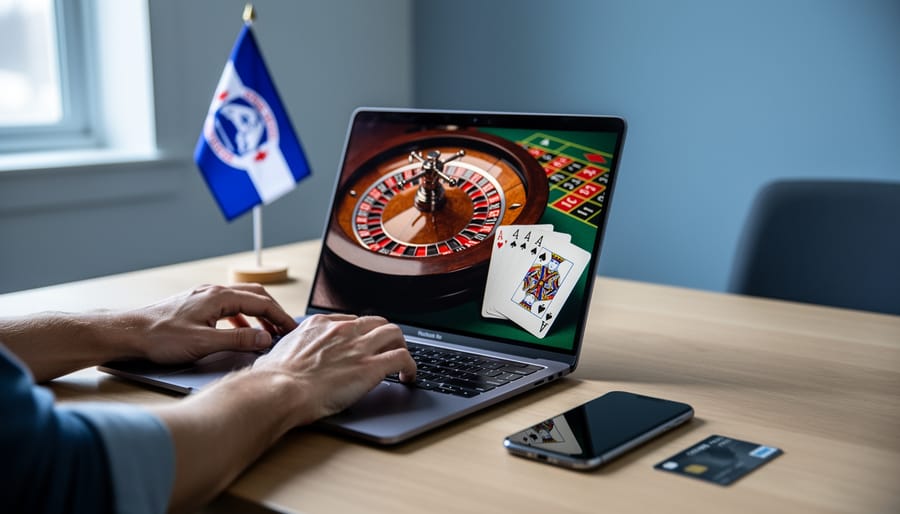
What You Need to Know Before Betting Online in Nova Scotia
Online gambling in Nova Scotia operates under specific provincial regulations that every resident should understand before placing bets. The Nova Scotia Gaming Corporation oversees legal gambling activities, including Atlantic Lottery’s digital platform, while offshore casino sites exist in a regulatory gray area that carries financial and legal risks. Access prediction markets here and similar platforms without clear provincial licensing, and you may face complications with payment processing, dispute resolution, and consumer protections that provincial operators must provide. Nova Scotians need accurate information about which gambling activities are permitted, how provincial regulations protect consumers, and what consequences stem from using unlicensed platforms. Recent regulatory discussions and …

What You Need to Know Before Buying Delta-9 THC Gummies in Nova Scotia
Understand that Delta 9 gummy products are legal in Nova Scotia under federal cannabis regulations, but strict provincial rules govern their sale and consumption. Purchase only from licensed retailers operated by the Nova Scotia Liquor Corporation (NSLC) or authorized private stores to ensure product safety and compliance with provincial standards. Verify that edible products contain no more than 10 milligrams of THC per package, as mandated by Health Canada regulations that apply across all provinces. Consume cannabis edibles exclusively in private residences, as public consumption remains prohibited under Nova Scotia’s Cannabis Control Act, with penalties including fines up to $2,000 for violations. Keep products in …
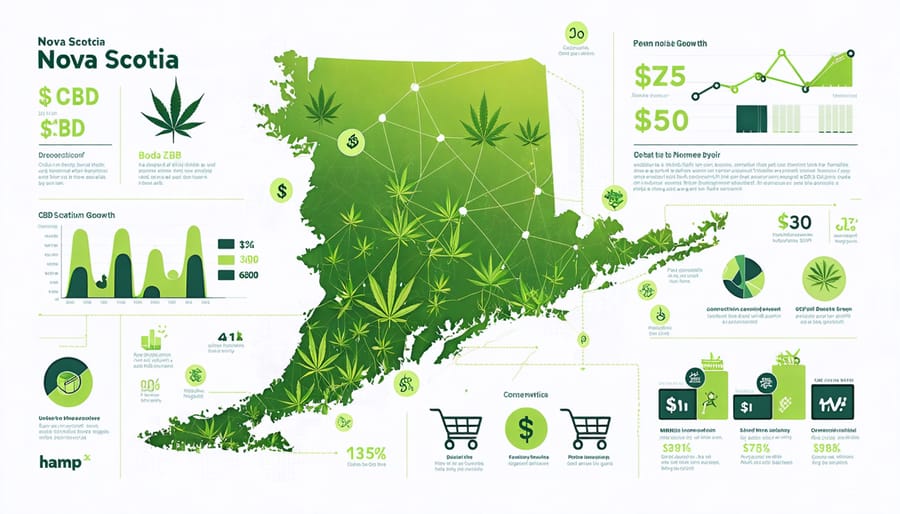
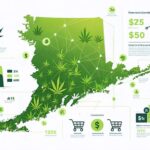
CBD Boom in Nova Scotia: New Laws Spark $50M Economic Growth
Nova Scotia stands at the forefront of Canada’s rapidly evolving CBD industry, where recent legislative changes have unleashed significant economic potential across the province. As local businesses, including established retailers like Buy from CBDNorth, adapt to new regulations, the South Shore region has emerged as a hub for CBD entrepreneurship and innovation. The province’s strategic approach to CBD legislation has created over 1,200 new jobs since 2020 and generated an estimated $45 million in annual revenue, transforming both urban centers and rural communities. For local business owners and consumers alike, understanding these regulatory frameworks and their economic implications has become crucial for navigating Nova Scotia’s …
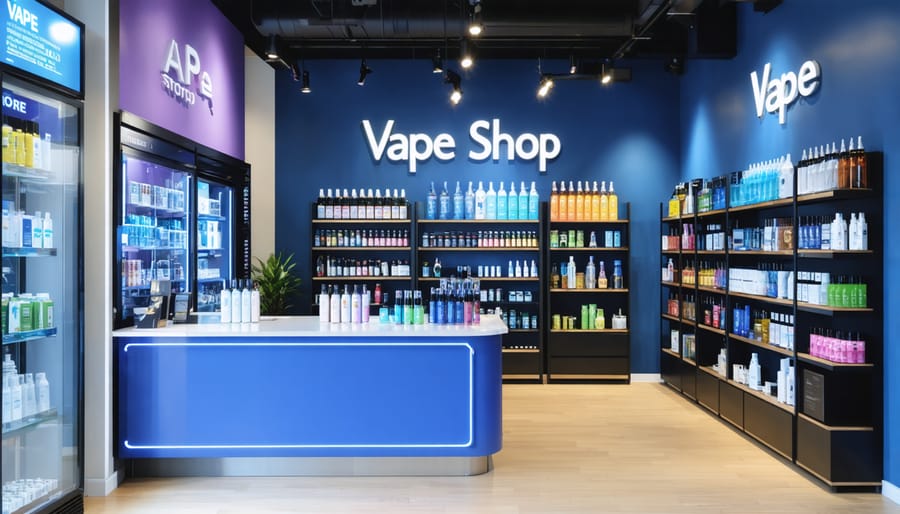
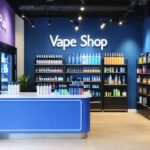
Nova Scotia’s Vaping Industry Faces Major Shifts as Local Stores Adapt
Nova Scotia’s vaping landscape has transformed dramatically in 2024, with stricter regulations and evolving consumer preferences reshaping how authorized vape store operators conduct business. Recent data shows a 25% surge in disposable vape sales across the province, while flavored e-liquid restrictions have pushed many retailers to diversify their product offerings. Local health authorities report that approximately 16% of Nova Scotians now use vaping products, marking a significant shift in tobacco alternatives. The province’s unique regulatory framework, including the ban on flavored vaping products and maximum nicotine concentration limits, has created distinctive market dynamics that set Nova Scotia apart from other Canadian provinces. As municipalities adapt …

Nova Scotia’s CBD Oil Market Transforms as New Regulations Take Effect
Nova Scotia’s CBD oil industry enters a transformative phase in 2024, with groundbreaking regulatory changes reshaping the local market. Get CBD Oil from CBDNorth and support Canadian producers while navigating these evolving standards. Recent amendments to provincial cannabis regulations have opened new opportunities for local farmers and processors across the South Shore, marking a significant shift in how CBD products are manufactured and distributed throughout the province. Small-scale producers from Yarmouth to Sydney now operate under streamlined licensing procedures, fostering unprecedented growth in the region’s hemp and CBD sectors. Maritime communities witness the emergence of innovative CBD processing facilities, strengthening Nova Scotia’s position as a …
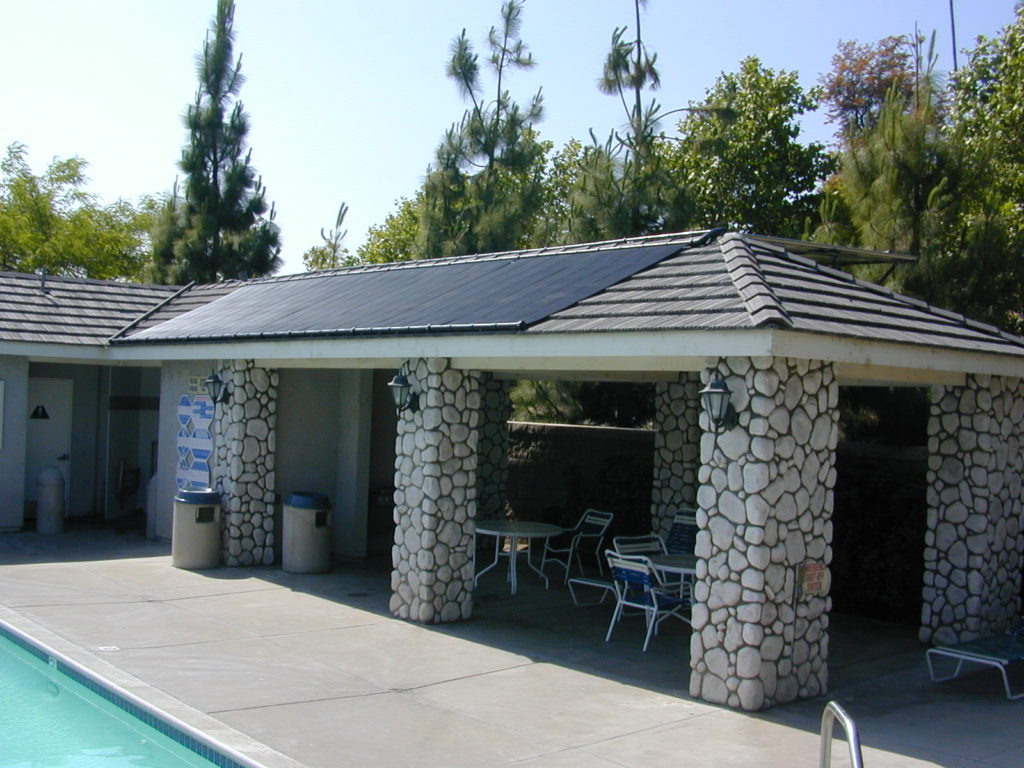
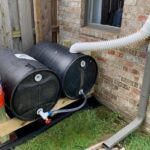
How Much Do You Need to Spend on Solar for Your Pool?
You are likely considering having a solar heater for your pool or comparing solar pool heaters. We understand that the cost is one of the biggest factors when it comes to solar pool heating. Continue reading to have an idea of how much you need to spend on a solar pool heating system and its advantages and disadvantages so that you can weigh if the cost is indeed worth it. How Much Do You Need to Spend on Solar for Your Pool? Pools are a great way to spend time with your family. However, you don’t have to wait for summer to be able to …

Cultural Center to Host a Workshop, Register Now!
Are you a flower enthusiast? If you are, then you don’t want to miss the chance to learn new skills like flower arranging in a workshop that is hosted by Firehouse Cultural Center. The workshop includes supplies that you will use for only $45, and you can take your output with you. Laura Nation, a Florida State Master Designer, is the facilitator. She will be sharing her experience for 30 years in the business. Moreover, she will cover the basic skill of making a lovely bouquet. Participants will also get the chance to ask related questions. The upcoming workshop is the second floral design workshop …
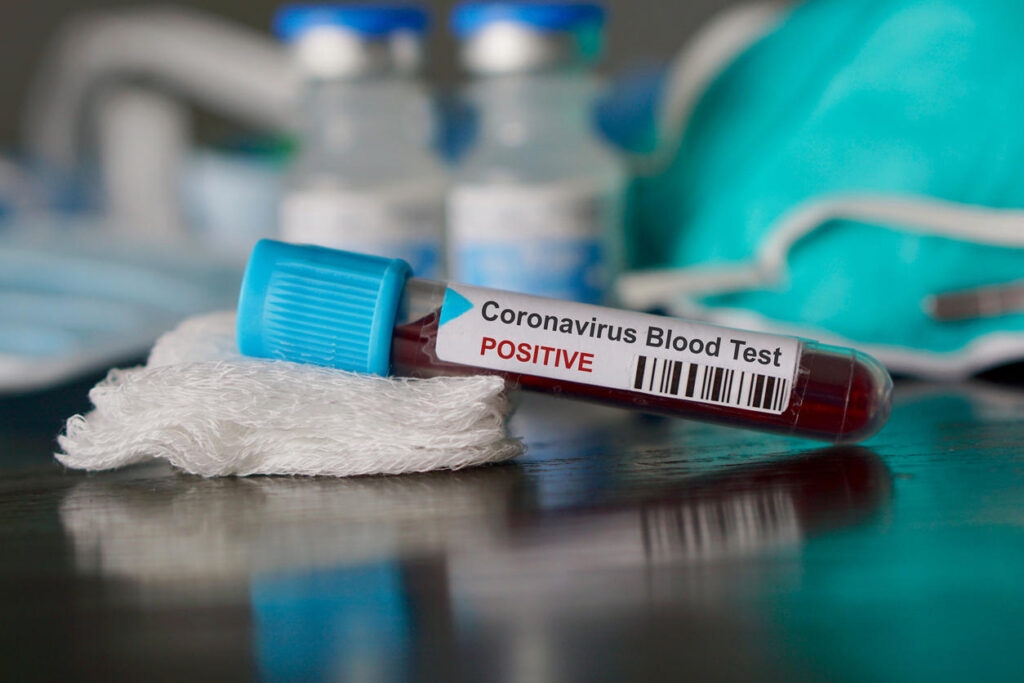
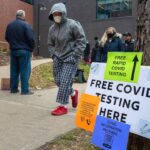
Passenger from the USA Tests Positive for COVID-19
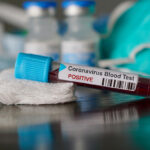
According to the provincial Health Department, a man who travelled from the United States to Nova Scotia tested positive for COVID-19. The man who was going to Prince Edward Island through Nova Scotia tested positive on Sunday. As per the initial report, it was determined that the man was from the United States. However, it was later established that he’s a foreign national studying in Prince Edward Island and not from the U.S. Three positive cases of COVID-19 that were reported on Prince Edward Island were linked to the man. A resident of P.E.I., who had been in contact with the man, tested positive for …